

The New Reality: Google’s AI Overviews and Falling Click Through Rate
Recent Google algorithm updates—most notably the expansion of AI Overviews—have significantly changed how users interact with search results.
Traditionally, ranking in the top 3 results was considered a guaranteed traffic driver. Now, AI-generated summaries are appearing above organic listings, answering queries directly on Google’s results page. As a result:
- The click-through-rate (CTR) for the #1 position has dropped by as much as 32–34%, while positions #2 and #3 have seen even steeper declines.
- Studies across hundreds of thousands of keywords reveal an average 18% decline in CTR for organic listings in just one year.
- Zero-click searches, where users find their answers without leaving Google, are rapidly rising, especially in news, how-to, and informational queries.
This shift is forcing brands and publishers to rethink their reliance on organic search.
AI’s Role in the Decline
Google’s AI is no longer just enhancing search—it’s replacing it.
With AI Overviews:
- Content is paraphrased, summarized, and surfaced directly on Google, reducing the need for users to click through.
- High-authority sites are more frequently cited, while smaller publishers and niche blogs struggle to get visibility.
- The June 2025 Core Update amplified these effects by expanding AI Overviews into even more query categories.
In practice, this means your content may still appear in impressions, but actual traffic is shrinking.

Companies Impacted
Many well-known businesses and publishers have been hit hard:
- News Publishers: Sites like The New York Times, Vox, and Condé Nast saw 7–25% drops in Google referral traffic. Business Insider reported a 55% decline in organic search traffic over three years.
- Digital Content Brands: HubSpot’s blogs lost up to 80% of their organic traffic, a massive blow to inbound marketing.
- Independent Review Sites: Smaller publishers like HouseFresh reported a collapse in daily referrals, from thousands to mere hundreds.
This erosion of organic visibility is reshaping the way businesses think about long-term growth and marketing channels.
Why Direct Mail Is Back in the Spotlight
As digital visibility becomes more uncertain, direct mail is reemerging as a powerful alternative marketing channel. Here’s why:
1. Cutting Through the Noise
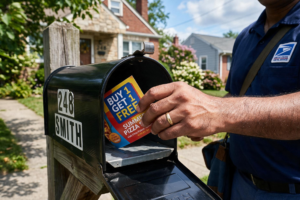
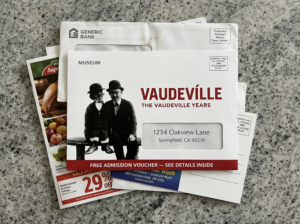
Where inboxes and feeds are overflowing with ads and automated messages, physical mail stands out. A personalized letter, postcard, or catalog gets noticed and often kept longer than a fleeting digital ad.
2. Higher Engagement Rates and Higher ROI
Studies show direct mail enjoys response rates 5–9 times higher than email in many industries. With organic CTR dropping online, mail provides a more tangible path to engagement and higher return on marketing investment.
3. Builds Trust and Brand Recall
Receiving something physical conveys legitimacy and care. This can be especially valuable as AI-driven search results blur brand differentiation and reduce direct customer interaction.
4. Data-Driven Personalization
Today’s direct mail isn’t old-fashioned. Businesses can use customer data (purchase history, behavior, demographics) to send highly personalized mail—much like digital remarketing, but with a stronger, tactile impact.
5. Complements Digital Campaigns
Direct mail works best when integrated with digital marketing. For example, a postcard offering a discount code or QR link to a landing page can reinforce brand recall while driving measurable conversions.
Some Final Thoughts
Google’s AI-driven changes are ushering in a zero-click era, where even top-ranked sites see dwindling traffic. Businesses that once depended heavily on SEO are facing steep declines in visibility and revenue.
This makes diversification essential. Direct mail is reemerging as a high-value marketing option, offering physical presence, higher engagement, and stronger brand connections—qualities that digital alone can no longer guarantee.
In a world where Google controls more of the search experience, reaching your audience directly, personally, and tangibly could be the differentiator that drives results.