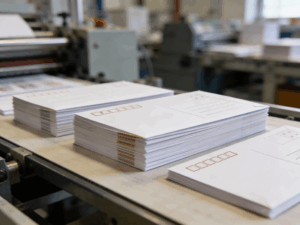


In an increasingly digitized landscape, we cannot assume that traditional marketing is a thing of the past. However, direct mail remains an effective marketing tool, one that, when integrated with digital channels, can create an impactful customer journey. Combining the tangible appeal of Direct Mail with the dynamic reach of digital marketing, many businesses can craft an effective multi-touch experience that drives results.
The Enduring Power of Direct Mail
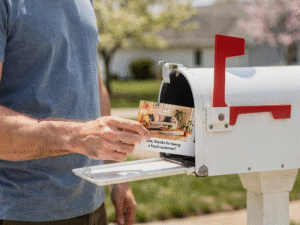
Direct mail offers a tactile experience that stands out amidst the constant stream of emails and online advertisements. Research says that consumers engage more deeply with physical mail, leading to higher recall and memorability. When paired with digital campaigns, direct mail amplifies your product and stores visibility and effectively boosts customer response rates.
Strategic Integration: Bridging the Physical and Digital
Integrating direct mail is not a one-size-fits-all solution; it’s about aligning distinct channels to reinforce a single message.
- Direct Mail + Email Marketing: This pairing is a classic for a reason. Businesses can use a direct mail piece as a compelling precursor to an email campaign or follow up with an email to amplify a previous mailing.
- Direct Mail + Social Media: Social platforms can be leveraged to extend the life of a direct mail piece. For example, a postcard could encourage social sharing, or a QR code could link recipients directly to an exclusive online promotion. Retargeting ads to direct mail recipients further enhances brand presence and recall.
- Direct Mail + Paid Advertising: By uploading direct mail recipient lists to platforms like Google, Facebook, or LinkedIn, businesses can serve complementary ads to the same audience online. Geo-targeting can also be employed to display ads in the same geographic areas where mail has been distributed, creating a layered effect.
- Direct Mail + pURL’s: Incorporating personalized URLs (pURLs) or QR codes in direct mail pieces directs recipients to custom landing pages, videos, or promotions. This not only elevates engagement but also provides a clear path for tracking responses and measuring return on investment (ROI).
- Direct Mail + SMS: This combination ensures timely communication. For instance, a business can send an SMS alert to notify customers of an impending mailer or to remind them of a limited-time offer detailed within the piece.
Enabling Technology and Best Practices
Achieving this level of integration is made possible by modern marketing technology and strategic planning.
- Technology: CRM and CDP platforms like Salesforce and Adobe Experience Cloud are crucial for unifying customer data across channels. Programmatic direct mail services automate the mailing process, triggering physical pieces based on digital actions. Tracking tools such as QR codes, pURLs, and UTM parameters are essential for measuring the effectiveness of integrated campaigns.
- Best Practices:
- Personalization: Leverage customer data to create highly tailored offers and messages.
- Optimization: Continuously test timing, messaging, and design to maximize impact.
- Tracking: Use unique identifiers (e.g., specific coupon codes) to accurately measure the direct mail campaign’s contribution to conversions.
- Brand: Ensure a consistent tone, visual identity, and call-to-action across all channels.
The Unified Customer Journey
A personalized postcard with a special offer is sent to the consumer. Simultaneously, retargeting ads appear on their social media feeds. Both the postcard and the digital ads guide customers to a personalized landing page to complete their purchase. This multi-channel strategy combines the tangible impact of direct mail with the broad reach of digital ads, creating repeated, reinforcing touchpoints that significantly increase the likelihood of a sale. The future of marketing is in seamlessly integrating direct mail and digital channels for maximum effect.