
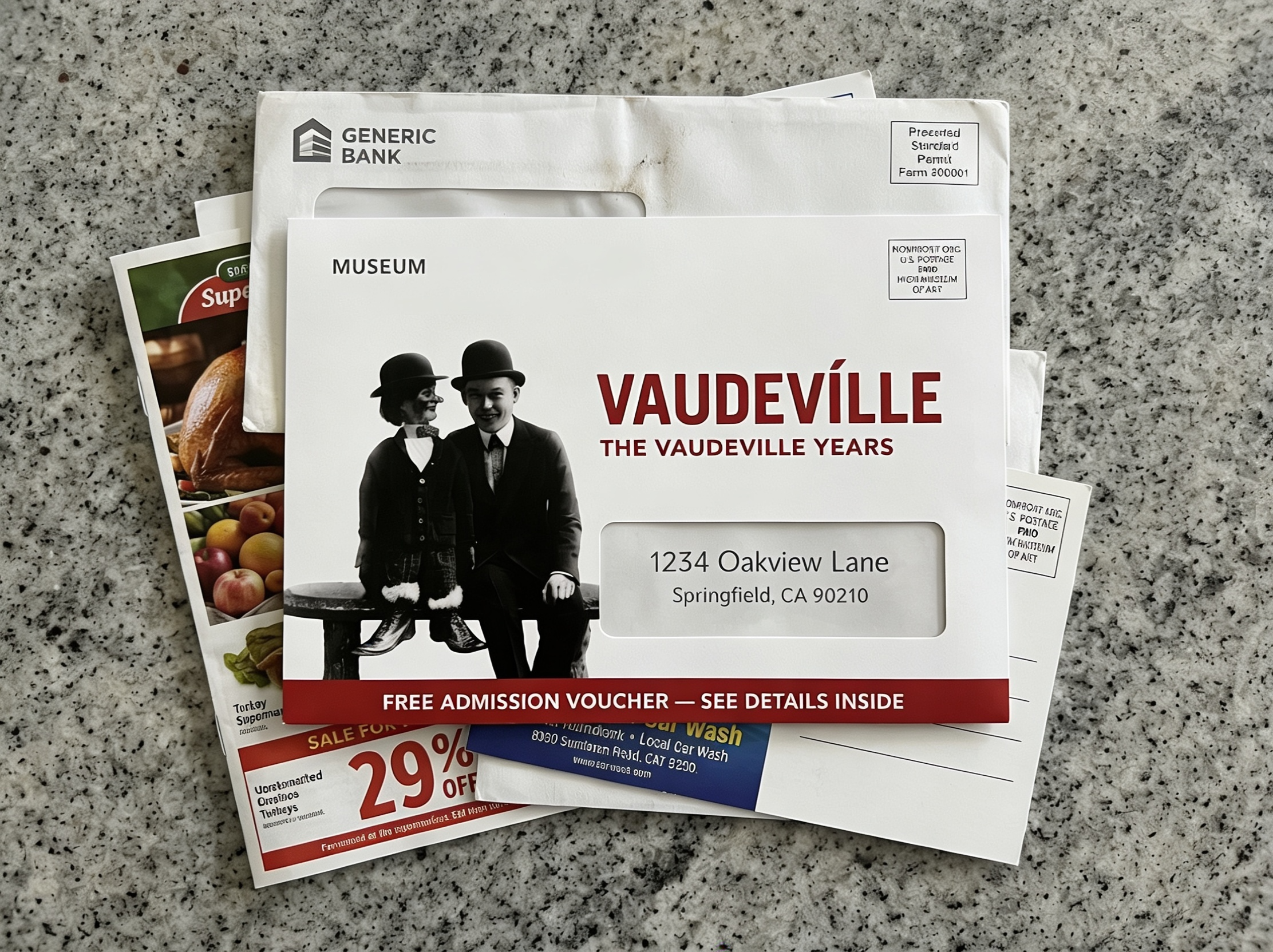
In a world overflowing with digital noise, a thoughtfully designed envelope can feel surprisingly powerful. Before your message is read, before your brand is understood, and before your offer is considered, your envelope makes the first impression. And that impression often determines one critical outcome: whether it gets opened or tossed aside.
Why Envelope Design Still Matters
Despite the dominance of email and social media, physical mail has a unique advantage. People instinctively scan their mail and make snap judgments in seconds. A plain white envelope may blend into the background, but a creatively designed one can spark curiosity, signal value, and invite engagement.
In other words, your envelope isn’t just packaging, it’s marketing.
The Psychology Behind Opening Mail
People open mail for a few key reasons:
- Curiosity – Something unexpected grabs attention.
- Relevance – It feels personalized or important.
- Trust – It looks credible and professional.
- Value – It hints at something beneficial inside.
A successful envelope design taps into at least one, ideally all of these triggers.
Design Techniques That Boost Open Rates
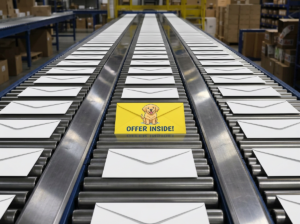
Use Intriguing Teasers (But Don’t Overdo It)
A well-placed teaser can dramatically increase open rates. Think of short, compelling phrases like:
- “You’ll want to see this…”
- “A small surprise inside”
- “Your exclusive invitation”
The key is subtlety. Avoid cluttering the envelope with too many messages—it can feel like spam.
Play with Color and Texture
Color stands out in a stack of neutral mail. Consider:
- Bold envelopes (deep blue, red, matte black)
- Soft-touch or textured finishes
- Metallic accents or foil stamping
These tactile and visual elements create a premium feel that people are more likely to explore.
Personalization Goes Beyond Names
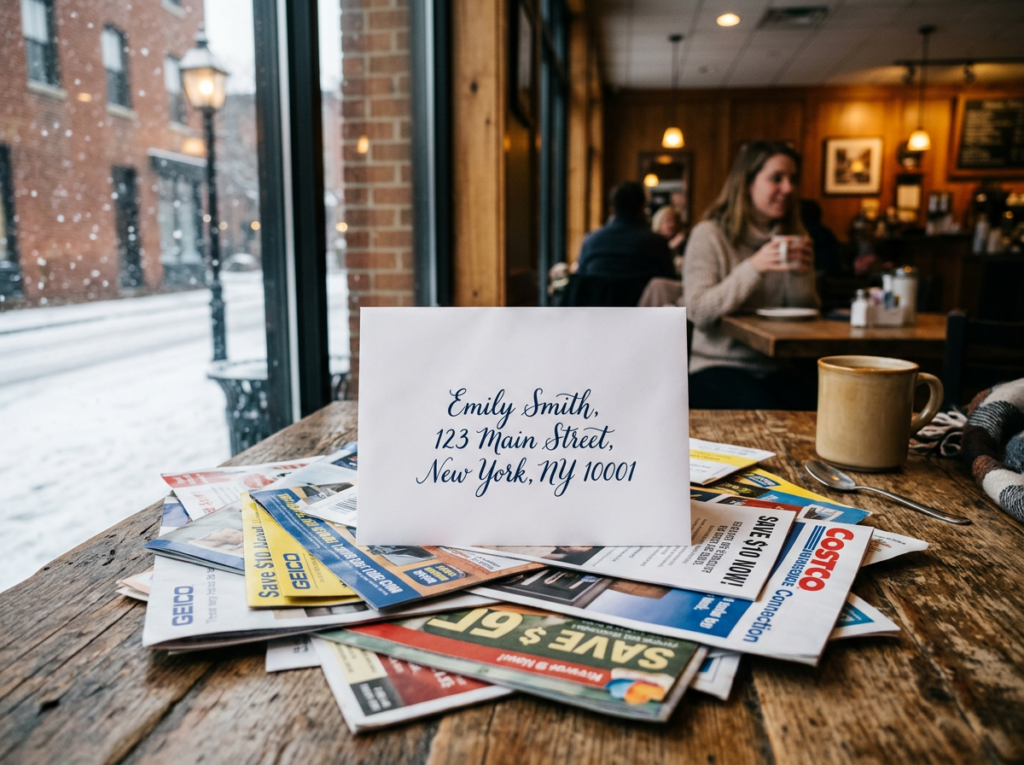
Adding the recipient’s name is a start, but you can go further:
- Handwritten fonts or actual handwriting
- Variable printing (location, preferences, past behavior)
- Unique codes or references
When something feels tailored, it feels worth opening.
Break the Standard Format
Square envelopes, oversized mailers, or unusual folds immediately stand out. Even a slight deviation from the norm can disrupt the routine of sorting mail.
Just be mindful of postage costs and mailing regulations.
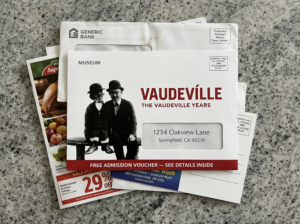
Leverage Transparency and Peek-Throughs
A small window revealing a hint of what’s inside can trigger curiosity. Whether it’s a bold graphic, a headline, or even part of a product image, it gives recipients a reason to look closer.
Minimalism Can Be Powerful
Sometimes less is more. A clean, elegant envelope with a simple logo or a single line of text can feel more premium than something overly busy.
Minimal design signals confidence, and often trust.
Add Interactive Elements
Consider incorporating:
- Stickers or seals to break open
- Pull tabs
- QR codes that connect to digital experiences
These small touches turn passive mail into an interactive moment.
Common Mistakes to Avoid
- Looking like junk mail – Overuse of loud fonts, excessive exclamation marks, or “urgent” language can backfire.
- Overcrowding the design – Too much information reduces clarity and impact.
- Ignoring brand consistency – Your envelope should align with your overall brand identity.
- Misleading messaging – If the outside promises something the inside doesn’t deliver, trust erodes quickly.
Testing and Optimization
The most effective envelope designs are rarely created in one shot. Testing is essential:
- A/B test assorted colors, copy, and formats
- Track open rates and response rates
- Gather feedback when possible
Small tweaks can lead to significant improvements over time. Creative envelope design sits at the intersection of psychology, branding, and design. It’s not just about looking different; it’s about making people feel something compelling enough to act.
When done right, your envelope becomes more than a container. It becomes an invitation.
And in a crowded mailbox, that invitation can make all the difference.