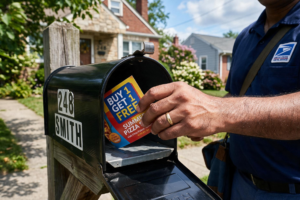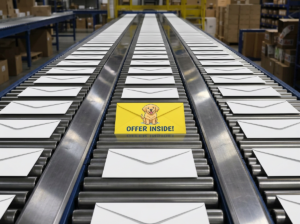


In a world dominated by digital ads, email automation, and social media algorithms, direct mail still stands out for one simple reason: people notice it. A well-designed postcard or dimensional mailer creates a physical interaction that digital marketing can’t replicate.
But the most effective campaigns don’t rely on direct mail alone.
The highest-performing marketing strategies combine direct mail with email, digital advertising, phone outreach, and personalized follow-up into a coordinated multi-touch campaign. When done correctly, these touchpoints reinforce one another, increase brand recall, and dramatically improve conversion rates.
Here’s how to build a multi-touch marketing campaign that uses direct mail as a core engagement channel.
What Is a Multi-Touch Marketing Campaign?
A multi-touch campaign is a coordinated marketing strategy that engages prospects through multiple communication channels over a defined period of time.
Instead of relying on a single interaction, the campaign creates repeated exposure through channels such as:
- Direct mail
- Email marketing
- LinkedIn outreach
- Retargeting ads
- SMS
- Phone calls
- Webinars
- Landing pages
The goal is simple: stay visible long enough to build trust and move prospects toward action.
Direct mail plays a powerful role because it cuts through digital clutter and gives prospects something tangible to engage with.
Why Direct Mail Works in Multi-Touch Campaigns
Direct mail has evolved far beyond generic postcards and mass flyers. Today’s campaigns use personalization, automation, and data-driven targeting to deliver highly relevant experiences.
Direct mail is especially effective because it:
Creates Higher Brand Recall
Physical mail is processed differently by the brain than digital ads. Recipients tend to remember printed materials longer and associate them with greater credibility.
Breaks Through Digital Fatigue
Most buyers are overwhelmed by emails and online advertising. A physical mail piece immediately stands out because fewer companies use it effectively.
Increases Response Rates
Studies consistently show that direct mail outperforms many digital-only campaigns when combined with email and online engagement.
Supports Account-Based Marketing (ABM)
For B2B campaigns targeting high-value accounts, direct mail provides a highly personalized way to engage decision-makers.
Step 1: Define Your Campaign Goal
Before designing any assets, clarify the primary objective of the campaign.
Examples include:
- Generating qualified leads
- Booking sales meetings
- Driving webinar registrations
- Increasing repeat purchases
- Re-engaging inactive customers
- Promoting a product launch
Your goal determines:
- Audience targeting
- Messaging
- Timing
- Creative format
- Follow-up strategy
- Success metrics
Without a clearly defined outcome, even well-designed campaigns lose effectiveness.

Step 2: Identify and Segment Your Audience
The success of a multi-touch campaign depends heavily on targeting.
Avoid sending the same message to everyone. Instead, segment your audience based on factors such as:
- Industry
- Job title
- Purchase history
- Geographic region
- Customer lifecycle stage
- Website behavior
- Engagement level
For B2B campaigns, focus on decision-makers and influencers within target accounts.
For B2C campaigns, segmentation can be based on buying behavior, demographics, or customer loyalty.
The more relevant the message, the better the response.
Step 3: Map the Customer Journey
A multi-touch campaign should feel connected, not random.
Map out the sequence of interactions prospects will experience across channels.
Here’s an example workflow:
| Day | Touchpoint | Objective |
|---|---|---|
| Day 1 | Introductory email | Create awareness |
| Day 3 | Direct mail postcard | Reinforce message |
| Day 6 | LinkedIn connection request | Build familiarity |
| Day 8 | Retargeting ad | Maintain visibility |
| Day 10 | Sales outreach call | Drive conversion |
| Day 14 | Follow-up email | Encourage action |
Each touchpoint should build on the previous one rather than repeating identical messaging.
Step 4: Design High-Impact Direct Mail Pieces
Your direct mail component should immediately capture attention and support the campaign narrative.
Common direct mail formats include:
Postcards
Cost-effective and ideal for awareness campaigns.
Dimensional Mailers
Boxes or creative packages that generate curiosity and higher engagement.
Personalized Letters
Effective for executive-level outreach and B2B relationship building.
Self-Mailers and Brochures
Useful when more educational content is needed.
Best Practices for Direct Mail Design
- Use strong headlines
- Keep messaging concise
- Include one clear call-to-action
- Personalize whenever possible
- Add QR codes or personalized URLs
- Ensure branding matches digital assets
Consistency across channels strengthens trust and recognition.
Step 5: Coordinate Digital Follow-Up
Direct mail works best when integrated with digital engagement.
After the mail piece arrives, continue the conversation online.
Examples include:
- Email sequences referencing the mailer
- Retargeting ads matching campaign visuals
- Personalized landing pages
- LinkedIn outreach from sales reps
- SMS reminders for event registrations
This coordinated approach increases familiarity and keeps prospects moving through the funnel.
Step 6: Personalize the Experience
Personalization significantly improves campaign performance.
Modern marketing platforms allow you to customize:
- Recipient names
- Company information
- Industry-specific messaging
- Dynamic offers
- Personalized URLs (PURLs)
- QR code destinations
For example, a healthcare executive and a manufacturing executive should not receive identical messaging.
The more tailored the experience feels, the more likely recipients are to engage.
Step 7: Use Automation to Scale
Marketing automation platforms make multi-touch campaigns easier to manage and optimize.
Automation can help:
- Trigger direct mail after digital engagement
- Send follow-up emails automatically
- Track recipient behavior
- Score leads based on interactions
- Notify sales teams when prospects engage
Many companies now integrate direct mail into CRM and marketing automation systems to create seamless workflows.
This allows direct mail to function like another automated marketing channel rather than a standalone tactic.
Step 8: Track Performance Across Channels
A successful campaign requires measurement.
Key metrics may include:
Direct Mail Metrics
- Delivery rate
- Response rate
- QR code scans
- PURL visits
Digital Metrics
- Email open rates
- Click-through rates
- Website traffic
- Ad engagement
Sales Metrics
- Meetings booked
- Pipeline generated
- Conversion rates
- Revenue attribution
Tracking helps identify which touchpoints drive the most impact and where campaigns can be improved.
Step 9: Optimize Based on Results
The best-performing multi-touch campaigns are continuously refined.
Test variables such as:
- Mail format
- Subject lines
- Timing between touches
- CTA placement
- Audience segments
- Offer types
Small adjustments can lead to significant increases in response and conversion rates over time.
Common Mistakes to Avoid
Using Too Many Touchpoints
More isn’t always better. Overcommunication can reduce engagement.
Inconsistent Messaging
Your mail piece, emails, and ads should feel like part of the same campaign.
Weak Calls-to-Action
Every touchpoint should guide prospects toward a clear next step.
Ignoring Timing
Spacing between interactions matters. Too frequent feels aggressive; too slow loses momentum.
Failing to Personalize
Generic campaigns rarely perform well in today’s competitive environment.
Direct mail remains one of the most effective ways to break through marketing noise — especially when combined with digital channels in a coordinated multi-touch strategy.
The key is integration.
When direct mail, email, advertising, and sales outreach work together, brands create a consistent experience that builds trust, increases engagement, and improves conversion rates.
Rather than treating direct mail as a standalone tactic, modern marketers should view it as a high-impact component within a broader customer journey.
Companies that successfully combine physical and digital touchpoints will continue to stand out in an increasingly crowded marketplace.